

From Malt to Mango: The Rise of Fruited Beers in India
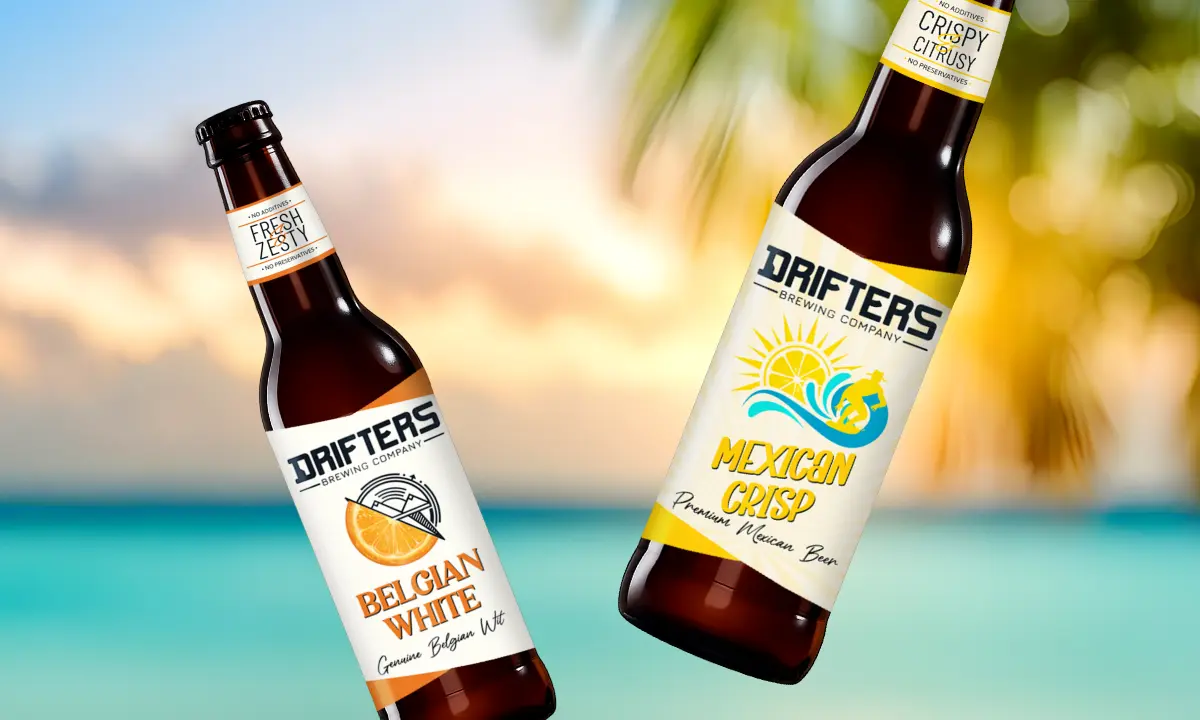
Fruited beers in India are having a moment. What started as a curiosity on a tap list has become a full category of its own, from citrusy wheat beers and jamun sours to vibrant mango and kokum brews. Younger drinkers are leaning toward flavour, colour and fun, and fruit is leading that charge.
“From malt to mango” is not just a catchy line. It is a real shift in how Indian drinkers think about beer.
What are fruited beers, really?
At its simplest, a fruited beer is one where real fruit, fruit juice, puree or natural flavour is added to a malt-based beer. That fruit can sit quietly in the background or completely define the beer.
Historically, fruit and beer are not a new pairing. In Belgium, lambic brewers have been refermenting beer with cherries, raspberries and other fruit for centuries, creating classic styles like kriek and framboise. Modern fruit beers borrow from that idea, but they do not always follow the old lambic method. Some use co-fermentation, some add fruit during maturation, and some rely on carefully balanced fruit extracts.
Globally, fruit beer is now recognised as its own market segment, driven by people who want familiar beer structure with approachable, often sweeter and more aromatic profiles.
Why the world suddenly loves fruit in beer
There are a few clear reasons fruited beers have become so visible:
- Flavour-first drinking
Research on global beer trends shows that fruit flavours are now leading flavoured beer launches, with mango, raspberry and citrus among the fastest-growing profiles. - Younger palates
Retail and category data from Europe and the UK note that younger drinkers are choosing fruit-flavoured beer over traditional bitter styles, with some retailers reporting triple-digit growth in fruit-led lagers and IPAs. - Experiment-friendly
Breweries see fruit as an easy way to explore local ingredients, seasonality and visual appeal without abandoning the core beer format. Academic work on fruit in brewing even ties it to sustainability and using local agro-produce more intelligently.
In short, fruited beers give both breweries and drinkers a bigger playground.
The Indian twist: from malt to mango
In India, the rise of fruited beers is tightly linked to the rise of craft itself. As small breweries spread and drinkers got used to styles beyond mainstream lager, brewers began “Indianising” their tap lists with local fruit and spice.
Market analysis and industry commentary point out that Indian craft breweries have experimented with flavours like mosambi, lemongrass, betel leaf and especially mango, creating distinctly local profiles and moving away from the earlier one-note beer culture.
On the cider side, Indian producers have also leaned into fruit as a bridge between traditional beer and wine or RTD cocktails. Recent studies of the India cider market highlight that brands increasingly use Indian flavours such as mango, spices and herbs to appeal to urban millennials who want something fruity, approachable and globally inspired yet locally rooted.
Put simply, Indian drinkers are ready for fruit. They just want it done with craft-level care, not as a sugary gimmick.
Why fruited beers fit Indian palates so well
Fruited beers make sense in India for reasons that go beyond trend:
- Our food is bold
Indian food is rich in spice, acidity and fat. Fruited beers, especially those with citrus or gentle sweetness, can cool spice, cut richness and echo tangy notes in chaat, grills or coastal dishes better than very bitter or very boozy beers. - Climate matters
Much of the year, India is warm. Light, fruity, moderately alcoholic beers and ciders feel more natural for terraces, brunches and long social sessions than heavy, roasty winter styles. - Low barrier to entry
For people who “don’t like beer”, fruit-forward profiles are an easy first step. A well-made fruited wheat beer or cider feels less intimidating than a dense, bitter IPA.
That combination makes fruited beers a powerful gateway into the wider craft world.
Drifters and the rise of Indian fruit-led brews
Within this shift, Drifters has quietly built its own line of fruit-forward beers and ciders that still respect the brewing process.
At their growler stations and partner outlets, you will often find Apple Cider on the list, positioned right alongside more traditional craft styles. City guides and local coverage of Drifters in Pune call out Apple Cider as one of their popular flavours, sitting with Belgian Wit, German Lager, Kokum Cider and other brews.
Apple Cider from Drifters shows why fruit works so well in the Indian context:
- It is bright, lightly tart and fizzy, which makes it incredibly refreshing in Indian weather.
- The apple character gives it an immediate, recognisable hook for people who find regular beer too bitter.
- It can move from snacks and bar bites to pizzas and lighter mains without clashing.
Alongside that, Drifters has also played with fruit-led ideas like kokum cider and fruited pales, picking ingredients that feel naturally Indian and tying them back to a solid malt backbone.
The point is not to drown beer in juice. It is to let fruit sit where it belongs in the glass, as a clear but balanced part of the story.
Beyond sweetness: what “good” fruited beer should be
Because fruit beers are popular with newer drinkers, there is always a risk of reducing them to soft drinks with alcohol. Properly made fruited beer, though, is still beer at its core.
A good fruited beer or cider should:
- Start from a well-designed base style
- Use fruit in a way that adds aroma, flavour and maybe colour
- Keep enough dryness or acidity to avoid cloying sweetness
- Finish cleanly, so you want another sip, not a glass of water
Global market reports on fruit beer note that the most successful products are usually those that combine premiumisation, authentic fruit character and a clear beer identity, rather than artificial-tasting alcopops.
When you taste Apple Cider from Drifters or one of their fruit-forward brews, you are tasting that balance in action.
Where fruited beers in India go next
Looking ahead, everything suggests that fruited beers in India will keep growing:
- Craft beer itself is on a sharp upward curve, with more microbreweries and taprooms opening and more consumers trading up to better quality.
- Global data shows the fruit beer segment expanding faster than many traditional subcategories, driven by demand for flavoured, lower-bitterness options.
- Indian drinkers, especially younger urban consumers, are increasingly curious about hybrid, crossover drinks that sit between beer, cider and cocktail, as long as they feel authentic and well made.
From mango-infused ales to jamun sours and apple or kokum ciders, the canvas is wide open.
For breweries like Drifters, “from malt to mango” is not a detour away from beer. It is a way of bringing more people into the fold, using flavours they already love and building them on top of honest brewing.
If you want to understand where Indian craft is headed, pay close attention to what is happening in the fruit corner of the tap list. That is where a lot of the future is quietly being poured.
FAQs
Q1. What is a fruited beer?
A fruited beer is a regular malt-based beer that uses real fruit, juice or puree to add flavour and aroma while still tasting like beer, not a soft drink.
Q2. Are fruited beers always sweet?
Not always. Well-made fruited beers balance fruit character with dryness or light bitterness, so they feel refreshing rather than sugary.
Q3. Where does Drifters Apple Cider fit in this trend?
Drifters Apple Cider sits right beside fruited beers as a fruit-led, craft-made option, with bright apple flavour, gentle tartness and a clean, fizzy finish.
Q4. Do fruited beers and ciders have lower alcohol than other beers?
Many fruited beers and ciders are brewed in a moderate range, often around regular beer strength, so they feel easy to sip over longer sessions.
Q5. What food pairs well with Drifters Apple Cider and other fruit-forward beers?
They work beautifully with spicy starters, fried bar bites, pizzas, salads and even light desserts, because the fruit and fizz cut through fat and heat.