

Craft Beer vs Wine : What’s the best dining out option?
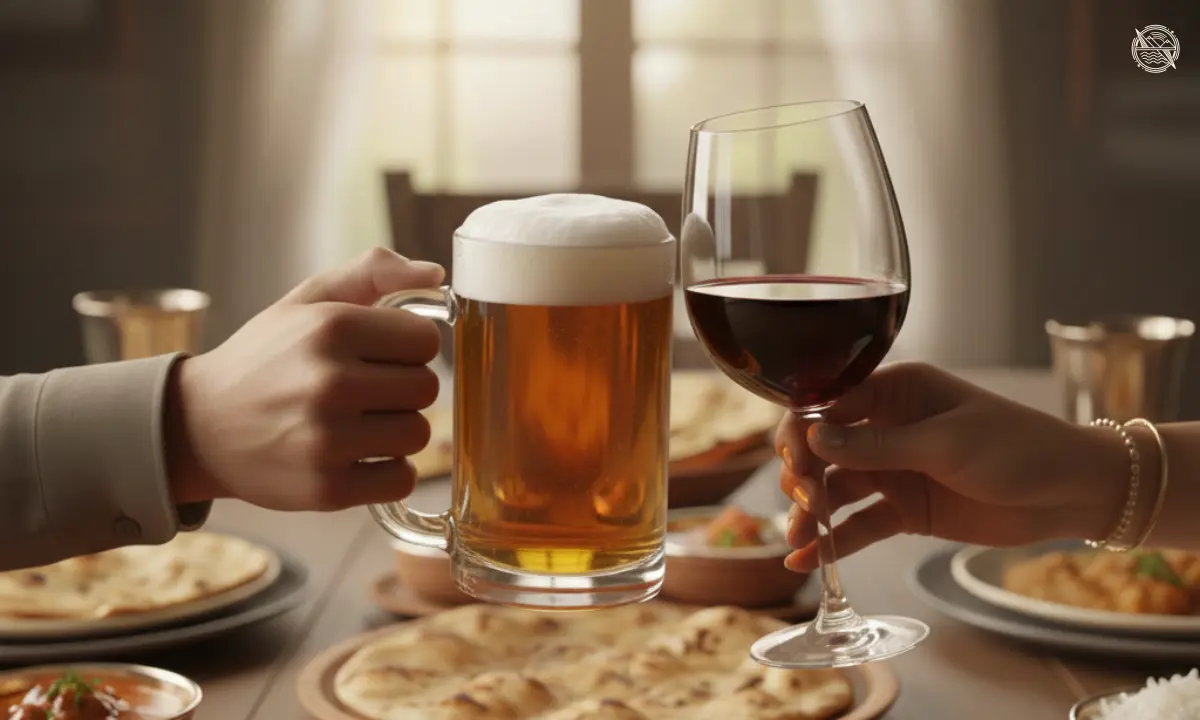
Craft beer vs wine for dining out is the quiet debate happening at tables everywhere. One glass feels familiar and relaxed. The other carries a bit more ritual and polish. When the food arrives, though, and the first sip meets the first bite, craft beer very often wins the night.
Let us call it what it really is: love at first sip.
Craft beer vs wine for dining out in 2026
When people search for the best drink for dining out, they are not only asking “red or white”. They want to know what actually works with the food on the table, the mood of the group and the kind of evening they want.
Global trends show that beer is now a serious food partner, not just something you drink before the meal. Training bodies and beverage institutes actively teach beer and food pairing, asking diners and professionals to think about bitterness, carbonation, richness, sweetness and heat in the dish. Beer’s bubbles can cut through fat, while malt sweetness can soften spicy food in a way that feels very natural.
In other words, beer is no longer the warm up act. With the right craft beer, it can be the main pairing.
Meet the people behind the pours at Drifters
Why beer often works better with food than wine
Wine has a long history with fine dining. No one is denying that. But beer brings tools to the table that wine simply does not.
- Carbonation as a palate reset
Those bubbles are not just fun. Carbonation lifts fat and oil off your tongue between bites. That is why fried food, rich gravies and cheese based dishes suddenly feel lighter when you take a sip of beer. - A wider range of textures and temperatures
Craft beer can be light, crisp and cold or smooth, creamy and slightly warmer. Restaurants can match a lager with starters, a wheat beer with mains and a darker beer with dessert, all without changing the basic ordering ritual of “just get me a fresh one”. - More room to play with flavour
With beer, chefs and brewers can explore citrus, spice, fruit, roast, smoke, chocolate, coffee and even sour notes directly in the beverage. That opens up pairing options that are hard to achieve with only red or white wine.
For diners, this means more chances to find that perfect “bite, sip, smile” moment.
See what Drifters is pouring, brewing and dreaming up today.
Beer and Indian flavours: a natural fit
In India, the case for beer gets even stronger.
Commentators who watch Indian drinking culture closely point out that beer is accessible, less pretentious, usually more affordable by the glass and, importantly, brewed by local brewmasters for local palates. It also simply suits Indian food.
Restaurant pairing guides for Indian cuisine often recommend lower alcohol drinks with some sweetness or fruitiness for spicy dishes, and specifically warn that high bitterness or very strong alcohol can make chilli feel hotter.
Craft beer fits these rules beautifully:
- A wheat or Belgian style beer with citrus and spice can cool down chaat, kebabs or tandoori.
- A crisp lager can handle oily snacks, pakodas and fries without getting lost.
- A malty amber or Vienna style beer can sit perfectly beside richer gravies and roasted meats.
Wine can work in skilled hands, but it usually needs more explanation and more care with acid, tannin and alcohol levels. Beer often just works.
Ready to taste the difference for yourself? Grab your Drifters beers here.
What modern diners actually want when they go out
Research on dining out shows that alcohol is becoming a key part of how people choose restaurants. A noticeable share of guests say the quality of the drinks list is extremely important when deciding where to eat, and restaurants have responded by building better beer programs and promoting beer with food.
At the same time, drinkers are more relaxed about formality. They want:
- Quality, not ceremony
- Local stories, not intimidating labels
- Something that feels like them, not like a test
Craft beer fits this mood. It is serious in the brewhouse, but relaxed on the table. You can share a tasting flight, each person can pick a different style with their dish, and no one has to worry about saying the name correctly or finishing a full bottle before switching.
For groups, that flexibility is gold.
Craft beer with each course, not just one bottle for all
Another advantage of craft beer vs wine for dining out is how easy it is to change styles through the meal.
With wine, many groups compromise on a single bottle that “sort of works” for everyone’s orders. With beer, it is simple to:
- Start with a light lager or kölsch style with starters
- Move to a Belgian white or wheat beer with mains
- Finish with something darker or richer alongside dessert
Because beer is usually ordered by the glass or pint, you get the feeling of a curated pairing experience without the pressure or expense of opening multiple bottles of wine.
For a brewery led brand like Drifters, this is where the tap list shines. Each line on the board can be treated as a course pairing, not just a random choice.
How to pick craft beer instead of wine with your meal
If you want to lean into craft beer the next time you eat out, a few simple rules help:
- Match intensity, not colour
Light beers with light dishes, fuller beers with richer food. A pale, delicate fish curry might like a soft wheat beer more than a heavy stout. - Use beer to handle spice wisely
If the food is very spicy, avoid extremely bitter IPAs. Look for slightly sweet, fruity or wheaty beers. For mild spice where you want a kick, a hoppy beer can actually boost the flavours in a good way. - Think about texture
Fried and creamy dishes love carbonation. Smoky, roasted items work well with malty, toasty beers. Desserts can lean into chocolate stout, coffee notes or even bright, fruity beers depending on the plate.
Once you try it a few times, you will start to feel which beers belong with which dishes almost instinctively.
Love at first sip
In the end, craft beer vs wine for dining out is not about replacing wine completely. It is about recognising that craft beer is no longer the casual cousin sitting at the bar. It is a serious, flexible and often better partner for the food on your plate, especially in a place that eats and drinks the way Maharashtra does.
Wine will always have its candlelit, linen covered moments. But when the table is crowded, the food is bold and the conversation is loud, there is a very good chance the glass that makes everything click is full of beer.
You will know it when it happens. One bite, one sip, and suddenly the entire meal makes more sense.
That is love at first sip.