

Why Lager Still Rules India: Inside Czech Style Craft Beers
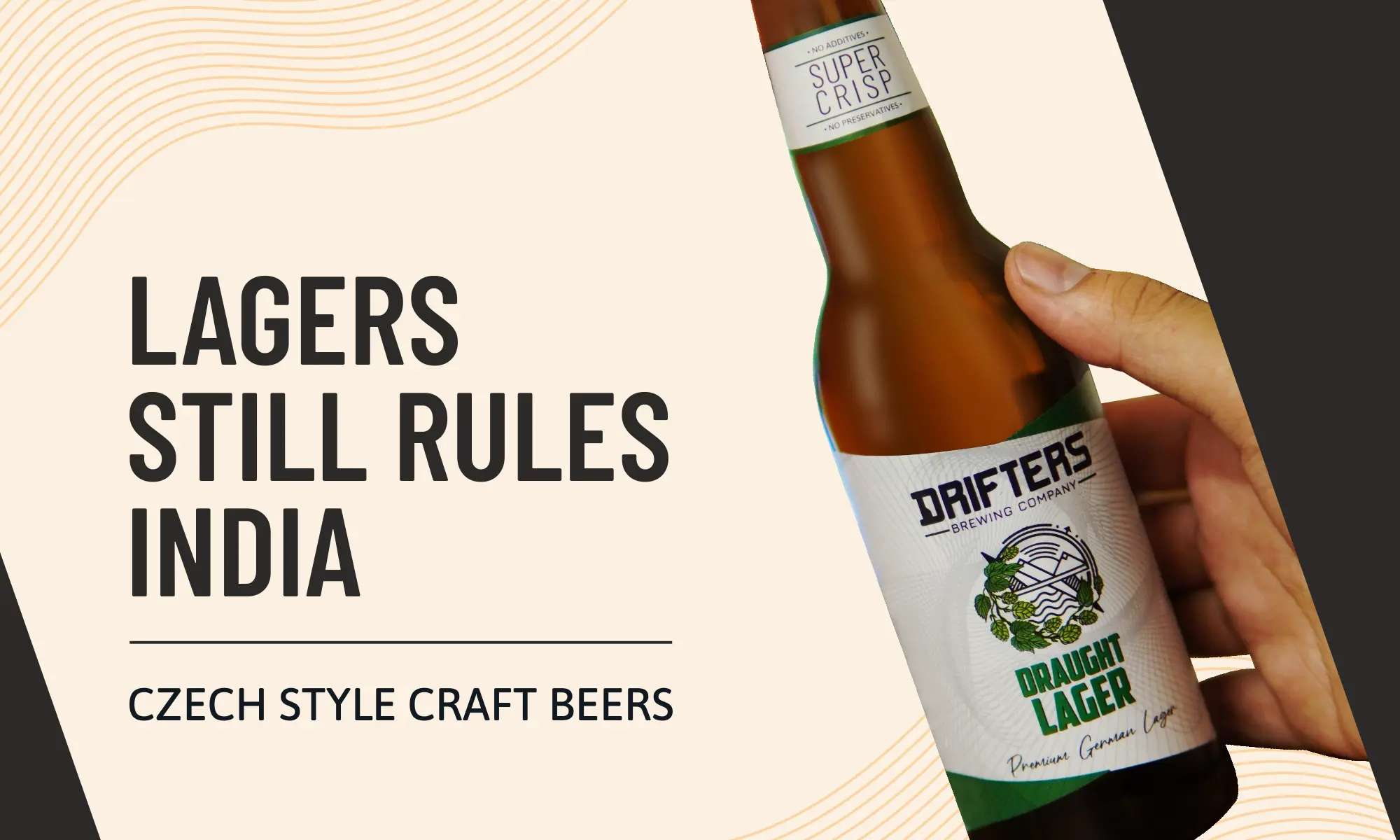
India’s Enduring Love For Lagers
If there is one constant across India’s beer culture, it is this. India prefers lagers more than any other beer style. More than 80 percent of all beer consumed in the country falls into the lager category according to Euromonitor’s 2024 overview of the Indian beer market.
This preference goes back more than a century. During the 19th and early 20th century, imported ales struggled to survive long sea voyages and performed poorly in India’s warm climate. Brewers eventually shifted to lagers because they stayed stable longer, tasted cleaner and felt far more refreshing in tropical heat. Breweries in Solan, Kasauli and Bangalore were among the earliest to adapt their production to lighter, colder fermented styles. The taste stuck and eventually became the default Indian idea of what beer should feel like.
Yet what truly refined the global definition of lager came from one place. Bohemia.
The Czech Beginning Of The Modern Lager
In 1842, the city of Plzeň produced the world’s first clear golden lager. Until then, most beers were cloudy and unpredictable. Josef Groll changed the game by using pale malts, a long cold fermentation and the aromatic Saaz hop variety. This process created a beer that was bright, smooth and far more stable than anything brewed before.
The combination of soft Bohemian water, gentle hop aroma and clean finishing character defined what we now call Pilsner. Within decades, the style spread across Europe and eventually shaped global brewing standards.
For India, Czech style lagers fit perfectly. They offered a refreshing taste for hot weather, a flavour profile that worked well with Indian cuisine and a dependable consistency that appealed to both new and loyal drinkers.
Why Lagers Still Dominate Indian Drinking Culture
Climate Shapes Preference
Most of India experiences warm temperatures through the year. Crisp, cold beer with a clean finish provides instant comfort. A lager’s smooth profile makes it far more appealing in a country where humidity and heat are daily companions.
Indian Food Needs Balance
Indian cuisine blends spice, tang, heat and richness. Heavy ales or intensely bitter beers often clash with these flavours. Lagers, especially Czech inspired ones, maintain balance and never overpower the food.
Drinkability Matters
Indians often prefer two or three pints with friends or food. Lagers remain the most session friendly category. They work for weekday evenings, family dinners, sporting nights and long conversations.
Craft Beer Entry Point
New craft drinkers sometimes find IPAs too bitter and stouts too heavy. Lagers offer an easy way to explore craft beer while still staying close to familiar flavour expectations.
India’s craft beer evolution has not removed lagers from the throne. It has simply created space for improved versions of them. That is where Czech style brewing stands out.
Ready to have some authentic Eastern-European styles? Get them here!
What Makes Czech Style Craft Beer Unique
Saaz Hops
Saaz is one of the oldest hop varieties in the world. It is known for a delicate floral aroma, mild spice and very gentle bitterness. These characteristics give Czech lagers their signature smooth personality.
Decoction Mashing
This traditional brewing method involves removing a part of the mash, boiling it and returning it. This slow multi-step technique creates richer malt depth and adds a rounded body to the beer.
Soft Water Profile
The natural water of Plzeň contains very few minerals. This softness helps create a clean and crisp finish. Many breweries outside the Czech Republic replicate this water profile to achieve similar results.
Longer Fermentation And Lagering
Czech brewers often allow lagers to mature for several weeks. This patient process removes harsh edges and produces a refined, smooth beer.
Balance Over Intensity
Czech style beers avoid extremes. They are built for harmony, clarity and consistency. In India, these qualities feel familiar and comforting which is why the style works so well.
Why Indian Drinkers Love Czech Style Craft Beer
Familiar Taste, Improved Quality
Most Indians already enjoy basic pale lagers. Czech style lagers introduce fuller aroma, softer bitterness and cleaner finish without moving too far away from familiar territory.
Perfect With Indian Snacks
From kebabs to seafood fry and from pav bhaji to tandoori dishes, Czech lagers pair naturally with local flavours.
Ideal For Social Settings
Whether it is a home gathering, a movie night, a restaurant dinner or a weekend plan, a clean lager remains the most universally accepted choice.
Consistency Is Highly Valued
Czech brewing techniques prioritise reliability. Indian drinkers, especially craft beginners, appreciate predictability in flavour and aroma.
A Short History Of Czech Influence In India
India’s early breweries drew broad European inspiration, but the precise influence of Czech brewing grew stronger only in the last decade. As craft beer gained popularity in cities like Pune, Mumbai and Bangalore, travel exposure increased. More Indians tasted Czech lagers abroad, especially in Prague and Brno, and returned home looking for similar flavours.
Beer clubs and communities such as Pune Beer Mandal, Mumbai Beer Collective and several homebrewing groups played an important role in educating enthusiasts about brewing styles. This cultural shift encouraged breweries to explore Eastern European brewing methods from around 2014 onward. Today, Czech style brewing sits comfortably alongside wheat beers, IPAs, stouts and sours in most craft menus.
Read our story from 2017 to today!
Why Breweries Around The World Are Returning To Lagers
Craft beer trends shifted heavily toward IPAs for nearly a decade. However, global consumer data shows a renewed interest in lagers because people prefer clean, refreshing beer for regular drinking. Lagers also demand high skill from brewers and highlight quality more transparently than heavily hopped styles.
For India, this return feels natural. The country has always been more aligned with lager drinking and now simply has higher quality options to choose from.
The Future Of Lager In India
Market research from IMARC (2024) predicts that India’s craft beer segment will grow by more than 23 percent annually until 2028. Within this growth, lager is expected to remain the most consistent and widely consumed category. As Indian drinkers explore new flavours, learn about global brewing techniques and attend more beer events, Czech style lagers will continue to serve as a bridge between familiarity and craftsmanship.
FAQs
1. Why do Indians prefer lagers over other beer styles
Lagers are light, crisp and refreshing which makes them suitable for India’s warm climate. They also pair well with Indian cuisine and are easy for new drinkers to enjoy.
2. What makes Czech lagers different from regular lagers
Czech lagers use Saaz hops, decoction mashing, long cold fermentation and soft water profiles. These techniques create a smoother and more aromatic beer.
3. Are Czech style beers bitter
No. Czech lagers have mild bitterness and gentle floral aroma. They are balanced rather than aggressive.
4. Can craft lagers pair with Indian food
Yes. They pair exceptionally well with tandoori dishes, spicy snacks, coastal seafood and everyday comfort foods.
5. Are lagers better for beginners in craft beer
Yes. Their familiar flavour and light profile make them the ideal starting point before exploring stronger or more experimental beer styles.